
BNPL is credit on a slippery slope. Not a clever payment option
07 OCT 2026
By Ernest Tham
Financial Planning Solutions Specialist
Buy Now Pay Later (BNPL) sits at checkout next to PayNow, debit card and credit card payment options. That makes it look like just another standard payment option, but it is a slippery slope.
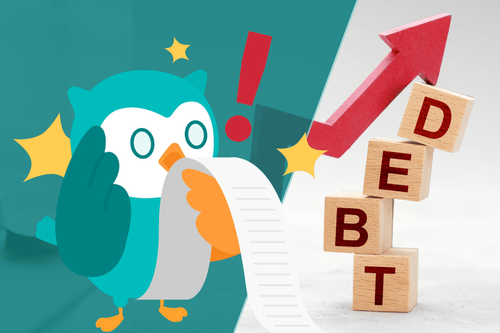
BNPL is short-term consumer credit - a form of debt. When you select it, you are buying a product or service today and committing a portion of your future income to pay for it.
It is important to keep in mind that not all debt is created equal. “Good debt” involves borrowing money to increase your earning power or build long-term wealth such as taking a student loan for tertiary education or mortgage for a home. These are typically backed by lower interest rates and predictable, fixed monthly payments.
BNPL, however, does not fall into this category. Instead, it is consumer debt used to fund depreciating lifestyle purchases. If not managed carefully, it could quietly pull consumers into a vicious cycle of debt before they even realise what is happening.

In 2024, BNPL transactions in Singapore accounted for 3% of all e-commerce transaction value. Strikingly, 64% of surveyed Gen Z and millennial consumers in Singapore use it as a payment method[1].
This popularity begins with frictionless access. Unlike traditional credit cards, which require proof of income, BNPL platforms are highly accessible. It just requires a minimum age of 18, a valid ID, local mobile number and a linked card for automated repayment.
BNPL’s marketing of BNPL is equally powerful. Rather than selling debt, it brands itself as a modern budgeting tool - a practical way to "manage the rising cost of living" by smoothing out expenses. It even borrows from economic theory, playing on the idea that a dollar today is worth more than a dollar tomorrow.
“Responsible Spending” seems to be an idea that BNPL providers are trying to associate with. With taglines like “Sometimes you feel like you’ve hustled hard enough for a treat” or “Sometimes you need more time to save”[2]. They reinforce consumer behaviour by giving a “license to spend”. Coupled with the $2,000 cap, an interest-free banner and discount vouchers, BNPL makes you feel like a savvy, responsible consumer who is in control. When a purchase is mentally categorised as a responsible cash-flow decision rather than a pure indulgence, it becomes dangerously easy to justify buying things you don't need.

At its core, BNPL tricks your brain into thinking something is more affordable than it is. At checkout, the total cost is automatically split into three to 12 smaller payments. Instead of a $120 price tag, your brain anchors to the immediate cost of just $40 (if split over three payments).
This anchoring effect masks true affordability. It makes expensive, discretionary items feel cheap and accessible, bypassing the natural hesitation we would normally feel before a big purchase.
This psychological trick leads directly to unintended spending. A 2024 joint study by the Institute of Policy Studies (IPS) and CNA, which surveyed over 2,000 young Singapore residents proved exactly this[3]. Over two-thirds (67.8%) of BNPL users said they made more monthly purchases after adopting the payment method. Nearly half said BNPL made it easier to buy things they did not need, and 46.7% confessed it led them to buy more than they could truly afford.
While using BNPL does not automatically mean you are overspending, it fundamentally changes how you spend. You are not just spending your current cash; you are borrowing against your future budget. Every new instalment means you have less money available in coming months.

Because each individual BNPL instalment feels so manageable, consumers easily fall into a habit known as "loan stacking." After making one BNPL purchase for clothes, it feels just as easy to make another for electronics on a different app, and perhaps a third for lifestyle expenses on another.
While a single $40 monthly commitment is easy to absorb, stacking five or six of them across various platforms can quickly strain one’s cash flow. These scattered, fractional payments add up to a significant monthly expense, leaving you with less room in your budget when essential bills – such as student loan repayments, insurance premiums and household expenses are due.
This compounding effect can lead to noticeable financial strain. If consumers lose track of multiple payment schedules, they risk falling behind on their instalment plans. The same IPS-CNA study highlights this challenge: 60.1% of respondents who use BNPL plans do not always pay their monthly instalments in full.
This finding points to a common pitfall: while BNPL appears to be a helpful cash-flow tool, consumers may reach a point where their accumulated commitments exceed their disposable income. Once a payment is missed, the 'interest-free' benefit is forfeited, paving the way for late fees and additional administrative costs.
BNPL providers charge between $5 and $30 for a missed payment or reactivation. The fixed amount looks trivial next to the purchase, but it adds up quickly. Take a S$150 item split into three $50 payments under Atome's "Pay in 3." Missing all three would each attract a $15 fee each time, $45 in total. You would end up paying $195 for something priced at $150, a 30% premium built entirely from late charges.

To address the risks of overspending, the BNPL industry in Singapore operates under a Code of Conduct designed to protect consumers. Safeguards such as outstanding debt limits and the automatic suspension of accounts for missed payments provide a baseline of protection. This can give users a sense of safety, reinforcing the idea that their borrowing is well-regulated and under control.
However, it is important to understand the limitations of these safety nets. A significant loophole is that these safeguards are currently platform-specific. While one BNPL provider may freeze an account due to a missed payment, there is little to prevent a consumer from simply opening or using an account with a different BNPL app. This fragmentation allows users to bypass spending caps, making it possible to continue loan stacking across multiple providers until the combined debt becomes unmanageable.
Ultimately, the financial consequences of missing a payment remain a reality. While the industry Code of Conduct caps late fees to prevent runaway debt, these penalties still add up. The moment a repayment schedule is broken, the core benefit of the "interest-free" model is lost. Accumulated late payment charges and administrative fees increase the total cost of the original purchase, turning what initially seemed like a savvy cash-flow decision into a noticeably more expensive proposition.

Ultimately, despite its modern interface and savvy marketing, BNPL is fundamentally another form of short-term credit. Like traditional credit cards, it carries inherent risks and costs that require strict financial discipline.
A key consideration regarding BNPL is its strong appeal to younger consumers. By lowering the barrier to entry, it introduces young adults to credit and debt much earlier in their financial journey. Early reliance on credit can inadvertently encourage over-consumption and living beyond their means. If such spending patterns become ingrained, they can influence financial behaviours well into adulthood, which may hinder their long-term financial planning.
BNPL is not inherently evil, but it is a financial tool that must be handled with care. If you choose to use it, here are a few practical takeaways to ensure you use it wisely:
The "Full Price" Rule: Before checking out, ask yourself if you can afford to pay for the item in cash right now. If the answer is no, BNPL is not a budgeting tool; it is a debt trap. Only use BNPL for cash-flow management, not to stretch your purchasing power.
Limit to Planned Essentials: Reserve BNPL for planned, necessary expenses, such as like replacing a broken laptop or a household appliance. Avoid using it for everyday consumables like food delivery, ride-hailing, or impulse luxury purchases.
Track Your "Stack": Do not evaluate a BNPL instalment in isolation. Keep a list of all your ongoing commitments across all apps. Always measure your total monthly liabilities against your future income, to ensure you have enough buffer for your essentials.
Automate with a Buffer: Since missed payments trigger hefty late fees, ensure the debit card linked to your BNPL account always has a comfortable cash buffer. Never let a lack of funds turn an "interest-free" purchase into a costly mistake.
Disclaimer: This material is provided for general information only and does not constitute financial advice, a recommendation, or an offer to buy or sell any financial product. Any opinions or estimates are subject to change and should not be relied upon as an indication of future performance. The value of investments may rise or fall, and insurance benefits are subject to policy terms, conditions, and exclusions. You should consider your own financial objectives, financial situation, and needs before making any financial decision. It is advisable to seek advice from a qualified financial adviser to assess your needs and understand the features, risks, and costs of any financial product before making a decision. While reasonable care has been taken to ensure accuracy, no representation or warranty is made as to the completeness or reliability of the information, and no responsibility can be accepted for any loss or inconvenience caused by any error or omission.
This publication has not been reviewed by the Monetary Authority of Singapore.